 English
 Français
 Italiano
 Español

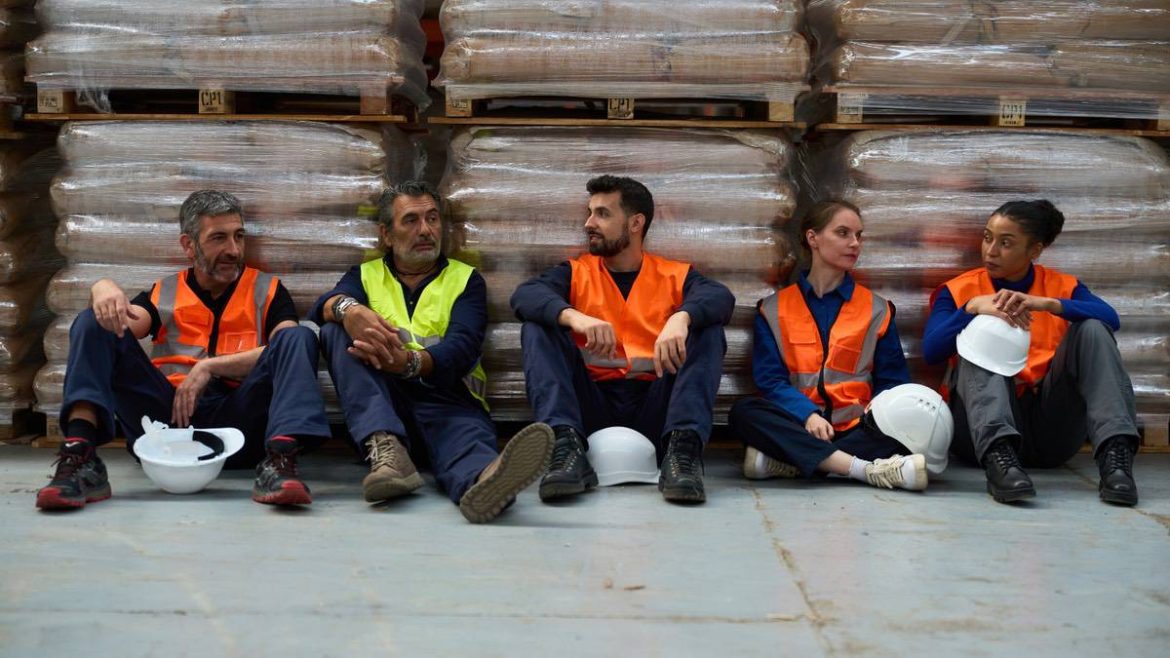
The Human Side of Workplace Safety
https://iria.com.au/wp-content/uploads/IRIA-1600-x-900-px-1024x576.jpg 1024 576 IRIA IRIA https://secure.gravatar.com/avatar/eeac44eeaaaa817c5147901146d0c6b62455e05139486db0f4efc3e1a8c37fdc?s=96&d=mm&r=gWhy noticing people deserves the same attention as noticing hazards
By Mark Helding, Executive Director, Independent Racking Inspections & Audits (IRIA)
Workplace safety has changed considerably over the past two decades.
For much of that time, the focus has quite rightly been on reducing physical risk. Better engineering, stronger legislation, improved equipment and more rigorous safety systems have transformed Australian workplaces and significantly reduced injuries across many industries.
Today, the conversation is broader. Organisations are increasingly recognising that creating a safe workplace isn’t only about managing physical hazards. It also means understanding and managing psychosocial risks that may affect people’s health, wellbeing and ability to work safely.
Safe Work Australia defines psychosocial hazards as aspects of work that have the potential to cause psychological or physical harm. These can include high job demands, poor support, remote or isolated work, bullying, violence, fatigue and poorly managed organisational change. Like any other workplace hazard, organisations must identify, assess, and manage the associated risks.
None of this replaces the importance of physical safety. If anything, it reinforces that workplace safety has always been about people. That shift has prompted me to reflect on something I’ve observed throughout almost twenty-five years working in warehouse safety.
We’re exceptionally good at teaching people what to look for.
- A damaged upright.
- A missing safety clip.
- A beam that’s been overloaded.
- A forklift impact.
Those things rarely fail without warning. Small changes tell us something important, so we’ve built systems that help people recognise those early indicators before they become much bigger problems.
I’ve often wondered whether we’ve invested the same effort in helping people recognise changes in each other.
The signs that someone may be struggling are rarely dramatic.
- Someone who usually contributes during toolbox meetings becomes quieter.
- Someone whose attention to detail has always been exceptional begins making small mistakes.
- Someone who has always been engaged with the team gradually withdraws.
They’re observations. Not conclusions. Exactly the sort of observations we encourage people to make every day when it comes to physical safety.
Warehouse environments can make those changes harder to recognise.
Large sites. Shift work. Operational demands. Long periods working independently. Conversations often focus on production, deliveries and getting the job done. None of those things creates poor mental health.
They simply mean leaders need to think more intentionally about how connection happens within their teams.
According to the Australian Bureau of Statistics, around 21.5% of Australians aged 16 to 85 experienced a mental disorder during the previous 12 months. That reminds us that mental health isn’t something that affects a small part of the workforce. Every workplace likely includes people navigating challenges that aren’t immediately visible.
Safe Work Australia also reports that psychological injury claims typically result in significantly longer periods away from work than physical injury claims. While every circumstance is different, it’s another reminder that psychosocial risk deserves the same thoughtful attention as physical risk.
The organisations I’ve seen manage this well rarely separate physical safety from psychological safety.
- They understand they’re both part of the same safety culture.
- People know each other.
- Supervisors check in regularly.
- Questions are encouraged.
- Concerns are raised early.
- Support is offered before problems become crises.
It’s not about becoming counsellors. It’s about creating workplaces where noticing a change in a colleague feels just as acceptable as noticing a damaged beam or an unsafe load.
That’s exactly what good safety systems are designed to do. Notice the small things early. Respond before they become something bigger.
For organisations looking to strengthen their approach, the Model Code of Practice: Managing Psychosocial Hazards at Work provides practical guidance on identifying psychosocial hazards, assessing risks and implementing effective controls within existing workplace health and safety systems.
One thing I’ve learnt throughout my career is that the strongest safety cultures aren’t built by compliance alone. They’re built by people.
- People who pay attention.
- People who ask questions.
- People who speak up when something doesn’t seem quite right.
Whether that’s a damaged racking system or a colleague who doesn’t quite seem themselves. Because sometimes the most important thing we notice at work has nothing to do with the equipment around us. It has everything to do with the people beside us.
About the Author
Mark Helding is Executive Director of Independent Racking Inspections & Audits (IRIA) and has spent almost 25 years helping organisations across Australia and New Zealand create safer warehouse environments.
With a background in social psychology and extensive experience in warehouse safety, independent racking inspections, training and risk management, Mark works with businesses across a broad range of industries to improve safety, strengthen governance and support better operational decision-making.
His articles explore the intersection of workplace safety, leadership, organisational culture and human behaviour, drawing on practical experience from thousands of warehouse inspections and audits.