Safety News

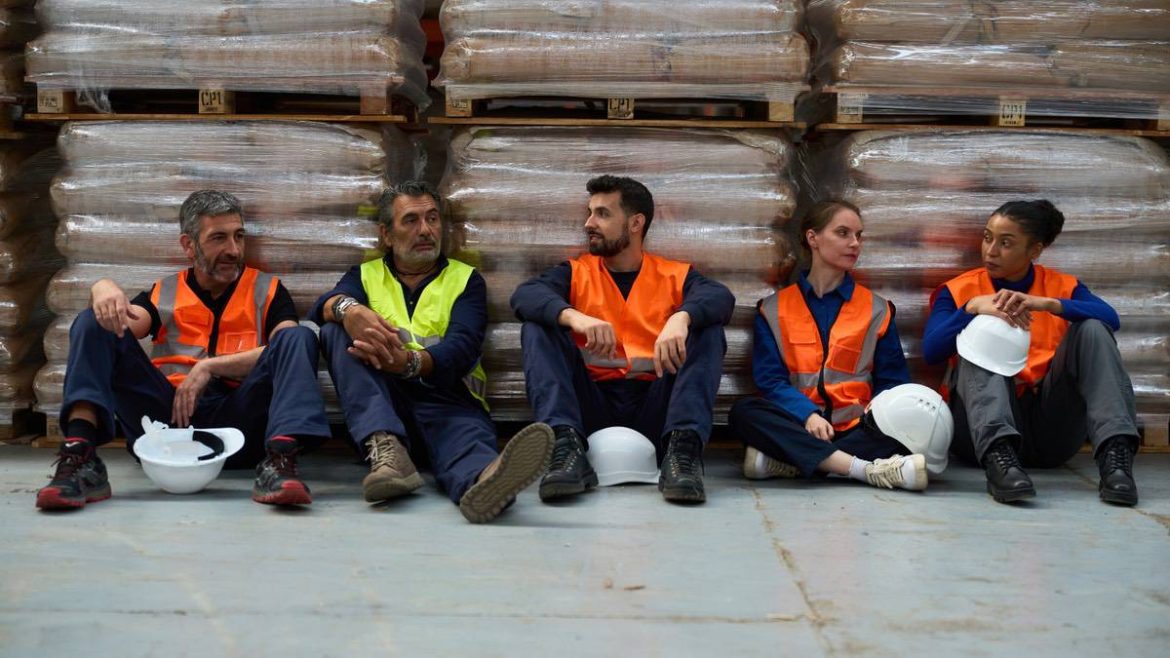
The Human Side of Workplace Safety

1024 576 IRIA

Why noticing people deserves the same attention as noticing hazards

By Mark Helding, Executive Director, Independent Racking Inspections & Audits (IRIA)


Workplace safety has changed considerably over the past two decades.

For much of that time, the focus has quite rightly been on reducing physical risk. Better engineering, stronger legislation, improved equipment and more rigorous safety systems have transformed Australian workplaces and significantly reduced injuries across many industries.

Today, the conversation is broader. Organisations are increasingly recognising that creating a safe workplace isn’t only about managing physical hazards. It also means understanding and managing psychosocial risks that may affect people’s health, wellbeing and ability to work safely.

Safe Work Australia defines psychosocial hazards as aspects of work that have the potential to cause psychological or physical harm. These can include high job demands, poor support, remote or isolated work, bullying, violence, fatigue and poorly managed organisational change. Like any other workplace hazard, organisations must identify, assess, and manage the associated risks.

None of this replaces the importance of physical safety. If anything, it reinforces that workplace safety has always been about people. That shift has prompted me to reflect on something I’ve observed throughout almost twenty-five years working in warehouse safety.

We’re exceptionally good at teaching people what to look for.

  • A damaged upright.
  • A missing safety pin.
  • A beam that’s been overloaded.
  • A forklift impact.

Those things rarely fail without warning. Small changes tell us something important, so we’ve built systems that help people recognise those early indicators before they become much bigger problems.

I’ve often wondered whether we’ve invested the same effort in helping people recognise changes in each other.

The signs that someone may be struggling are rarely dramatic.

  • Someone who usually contributes during toolbox meetings becomes quieter.
  • Someone whose attention to detail has always been exceptional begins making small mistakes.
  • Someone who has always been engaged with the team gradually withdraws.

They’re observations. Not conclusions. Exactly the sort of observations we encourage people to make every day when it comes to physical safety.

Warehouse environments can make those changes harder to recognise.

Large sites. Shift work. Operational demands. Long periods working independently. Conversations often focus on production, deliveries and getting the job done. None of those things creates poor mental health.

They simply mean leaders need to think more intentionally about how connection happens within their teams.

According to the Australian Bureau of Statistics, around 21.5% of Australians aged 16 to 85 experienced a mental disorder during the previous 12 months. That reminds us that mental health isn’t something that affects a small part of the workforce. Every workplace likely includes people navigating challenges that aren’t immediately visible.

Safe Work Australia also reports that psychological injury claims typically result in significantly longer periods away from work than physical injury claims. While every circumstance is different, it’s another reminder that psychosocial risk deserves the same thoughtful attention as physical risk.

The organisations I’ve seen manage this well rarely separate physical safety from psychological safety.

  • They understand they’re both part of the same safety culture.
  • People know each other.
  • Supervisors check in regularly.
  • Questions are encouraged.
  • Concerns are raised early.
  • Support is offered before problems become crises.

It’s not about becoming counsellors. It’s about creating workplaces where noticing a change in a colleague feels just as acceptable as noticing a damaged beam or an unsafe load.

That’s exactly what good safety systems are designed to do. Notice the small things early. Respond before they become something bigger.

For organisations looking to strengthen their approach, the Model Code of Practice: Managing Psychosocial Hazards at Work provides practical guidance on identifying psychosocial hazards, assessing risks and implementing effective controls within existing workplace health and safety systems.

One thing I’ve learnt throughout my career is that the strongest safety cultures aren’t built by compliance alone. They’re built by people.

  • People who pay attention.
  • People who ask questions.
  • People who speak up when something doesn’t seem quite right.

Whether that’s a damaged racking system or a colleague who doesn’t quite seem themselves. Because sometimes the most important thing we notice at work has nothing to do with the equipment around us. It has everything to do with the people beside us.


About the Author

Mark Helding is Executive Director of Independent Racking Inspections & Audits (IRIA) and has spent almost 25 years helping organisations across Australia and New Zealand create safer warehouse environments.

With a background in social psychology and extensive experience in warehouse safety, independent racking inspections, training and risk management, Mark works with businesses across a broad range of industries to improve safety, strengthen governance and support better operational decision-making.

His articles explore the intersection of workplace safety, leadership, organisational culture and human behaviour, drawing on practical experience from thousands of warehouse inspections and audits.

Employee suffered life-changing injuries in crushing accident

800 534 IRIA

The 2022 incident in Canberra, where a 21-year-old worker sustained life-altering injuries due to an unanchored cable rack collapse, is a powerful reminder of the critical importance of workplace safety. The case, which led to fines exceeding $400,000 for the company and its manager, highlights the necessity of proper safety practices and regular inspections.

While cable racking falls outside the scope of AS4084, it still requires regular checks for damage or issues caused by everyday use.

Workplace safety is more than compliance – it’s a responsibility to safeguard the lives and well-being of employees. Ensuring racking is properly installed and inspected annually can help prevent such tragic outcomes.

👉 Read more: https://www.abc.net.au/news/2024-08-07/manufacturing-company-manager-fine-crush-accident-injuries/104194264

Why you need to get your steel storage racking inspected in Australia

1000 667 IRIA

1. Is regular racking inspection mandatory in Australia?

Yes, inspections are essential to comply with Australian Standard AS 4084, which outlines safe use and maintenance of steel storage racking.

2. How often should racking inspections be conducted?

Inspections should be carried out at least once a year to identify damage and maintain safety, though high-traffic areas may need more frequent checks.

3. What are the risks of not inspecting steel racking?

Failing to inspect can lead to undetected damage, increasing the risk of rack collapse, potential injury, and loss of life.

4. Can damaged racking lead to legal issues?

Yes, if an incident occurs due to neglected racking, your business could face legal liabilities, fines, or penalties for failing to maintain a safe workplace. In addition, there is a possibility that Directors of Companies could face charges of industrial manslaughter.

5. How can inspections help prevent accidents?

Inspections detect potential hazards, such as bent beams or loose connections, reducing the likelihood of accidents or rack failure.

6. Does inspecting racking save money in the long run?

Yes, early detection of damage prevents costly repairs and stock loss, as well as potential downtime due to accidents or repairs.

7. What do inspectors typically check during an inspection?

Inspectors examine the condition of beams, columns, braces, connectors, and the overall rack structure for any signs of wear, damage, or improper loading.

8. Can overloaded racking be identified during an inspection?

Yes, inspectors can assess the load distribution and ensure that the racking is not overloaded beyond its safe capacity.

9. How do inspections contribute to operational efficiency?

Well-maintained racking systems minimise disruptions, ensuring smoother operations and preventing time lost due to unexpected repairs.

10. Who is qualified to inspect racking systems?

Inspections should be carried out by competent professionals with expertise in racking systems and knowledge of relevant Australian and International standards.

11. Is it necessary to document racking inspections?

Yes, documenting inspections creates a record of compliance and allows tracking of any identified issues and the actions taken to resolve them. This is often referred to a closed loop system- identify damage, repair it if needed and return it to service.

12. How does regular inspection support employee safety?

Safe racking systems prevent accidents and ensure a safer working environment, which boosts employee morale and reduces the risk of injury.

13. Do my staff need to be trained in racking safety?

Yes, training staff in the fundamentals around working with racking is critical to reducing the overall cost of owning and managing racking. Well trained staff can reduce the overall cost of racking ownership as well as improving safety.

14. Can anyone repair racking?

No. Repairers need to be able to demonstrate that they are competent in not only repairs but also that they are competent on the specific racking system.

15. Should I buy racking from eBay?

No. Buying any racking that does not have testing data can lead to noncompliance of the racking system or ultimately racking failure.

16. Should I use a dedicated Racking Inspector to complete an annual inspection or is it OK to use the racking supplier to complete this task?

IRIA have no allegiance to any brand and are not part of a racking sales team. An independent inspection will provide a subjective report that defines exactly what is required as opposed to a potential “upsell” from a racking company representative.

Are you in New Zealand and considering a Racking Inspection or Repair Service?

800 473 IRIA

Recently a well-known NZ Company was identified as falsifying repair records for a racking system. It is critical that your racking system is not only inspected but also professionally repaired. Sadly if the Racking Inspection service is deficient then the repair process cannot be verified. Similarly, if the repair process is deficient then you cannot ensure that your Racking System is safe.

If you have any questions or concerns about your Racking Inspection or Repair Services please contact IRIA via our contact form or by calling 0800 423 125.

Are you in NZ and considering a racking inspection service?

800 450 IRIA

Are you in NZ and considering a racking inspection service?

You probably should consider a range of things before engaging a company:

  1. Is the company or person independent of any manufacturer or repairer?
  2. Is the person considered “Competent” in the eyes of workplace legislation and the law?
  3. Can you confirm that the inspector is trained fully and able to identify racking parts and damage effectively?
  4. Is this person or company fully aware of changes occurring in the racking inspection sector?

IRIA has recently identified a range of significant shortcomings with some companies offering racking inspection services in NZ. In most instances, these deficiencies can be traced back to “The Inspector” as opposed to the inspection process.

If you are serious about racking safety and place value in utilising a properly trained, independent and diligent racking inspection service then contact one of our friendly staff via our contact form or by calling 0800 423 125.

Woolworths worker dies after pallet stack collapse

800 450 IRIA

Tragedy struck at a Woolworths distribution centre in Sydney’s western region when a pallet collapse occurred, leading to the death of a man and injuries sustained by two others.

Following the incident at Minchinbury on Tuesday afternoon, paramedics promptly provided treatment to the 37-year-old man, who was then transported to the hospital in critical condition. Unfortunately, the police were informed on Wednesday that the man had succumbed to his injuries.

The two remaining individuals affected by the pallet collapse were also taken to the hospital. Although their injuries were serious, they were reported to be in stable condition.

Reconciliation Action Plan (RAP)

800 450 IRIA

IRIA Pty Ltd, a leading Australian company in the Racking Inspection, Testing, and Training sector, has achieved a significant milestone by gaining “Reflect” status with Reconciliation. This recognition demonstrates the company’s commitment to promoting reconciliation, fostering cultural diversity, and creating an inclusive workplace environment. IRIA Pty Ltd.’s journey towards achieving this status has involved implementing various initiatives that prioritise reconciliation, respect, and understanding.

As a Reflect organisation, IRIA Pty Ltd has taken proactive steps to build strong relationships with Indigenous communities, both internally and externally. They have engaged in meaningful partnerships with local Indigenous businesses, supported Indigenous education and employment programs, and implemented cultural awareness training for their employees. By embracing reconciliation, IRIA Pty Ltd has not only demonstrated its corporate social responsibility but has also created an environment that values diversity and promotes equality. This achievement highlights IRIA Pty Ltd.’s ongoing commitment to reconciliation and sets an example for other organisations to follow in their pursuit of creating a more inclusive society.

Changes to the Australian Standard – AS4084 2023

800 450 IRIA

The Australian Standard for Steel Storage Racking has been updated for 2023. The standard is now in 2 parts; Design 4084.1:2023 and Operations 4084.2:2023. This update introduces a number of concepts that are new, including the notion of a Competent Person.

  • Design, Annual Inspections, and Repairs and Maintenance Shall be completed by Competent People.
  • Annual Inspections are mandatory
  • New Damage Types have been identified and old damage types have been clarified
  • Signage requirements have changed and now allow for alternate ways to demonstrate load carrying capacities of racking systems
  • Requirements for racking used outside have been clarified
  • Re-working of racking elements has been disallowed
  • The requirements for non-OEM Equipment usage have been clarified
  • The traffic light system remains the method of damage and risk allocation
  • Racking inspection and repair documentation needs to be maintained for the life of the racking system.

What Happens Now?

If you want to ensure that you comply with the 2023 version of the standard you need to contact IRIA and arrange an inspection. Utilising IRIA to complete your racking inspection will go a long way to helping with your larger compliance with AS4084 2023.

The “Faux Racking Inspection”

800 507 IRIA

When is a steel storage racking inspection not a racking inspection?

Recently we have noticed an upturn in companies and individuals offering steel storage racking inspections.

They fall into roughly two categories;

  1. Individuals that like the idea that they can go and inspect racking;
  2. Companies that have an existing consulting arm to which they would like to add racking inspections.

So how do we know all of this? IRIA has a range of online courses, from basic racking checks through to racking installations. We have both individuals and companies that call us to register into some of these courses from time to time.

In one case, we had a large multinational consulting company send several of their staff through the basic “Racking Checking” course only to then offer racking inspection services.

Clearly, this is wrong on several levels:

  • People completing this course are clearly not ready in any way to do a professional racking inspection;
  • Morally, completing an entry level course then selling that learning as a “Professional Inspection Service” could be construed as dishonest

So, if this is the case and companies and individuals are selling services they are clearly not qualified to deliver… How do you make sense of it all?

Asking these questions may help you:

  1. How many hours of training have each racking inspector undertaken?
  2. Are the inspectors from the racking industry?
  3. Can they demonstrate a verified training curriculum specialising in racking inspections?
  4. Do they offer a dedicated software platform that is designed to support steel storage racking inspections?
  5. Is steel storage racking inspections the only thing that they offer?

Answering all of these questions will determine if you are dealing with a competent person or something else. As you would be aware, the notion of a competent person is critical in all WorkSafe legislation.

IRIA offer Inspections, Training and Racking Testing. Contact us on 1300 136 649 or info@iria.com.au.

Pallet racking safety

509 339 IRIA

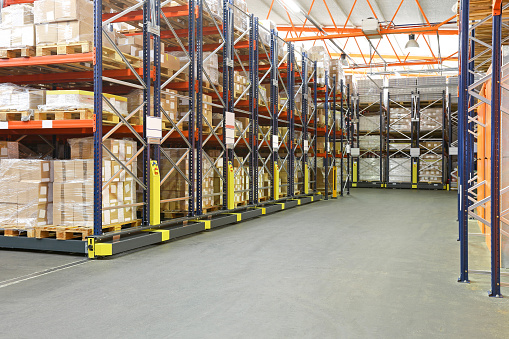
Racking collapses can be caused by a number of different things. Inadequate training of staff, previous damage and unrepaired damage, missing parts, for example, base plates, safety clips, or twisted base plates.

It is not only loss of life that results from racking collapses, other side effects include, the inability to service your clients, therefore loss of turnover, the costs involved in the replacement of collapsed racking and damaged to your stock and the potential legal action by workers if there was to be a work place accident.

Organising for your racking to be inspected by an independent racking inspection company ensures the most economical means of maintaining your racking as they can inspect all brands of racking independently with no selling precedence, this is especially important if you have multiple brands on your site and want an independent unbiased inspection.

To have your racking inspected, click here to get a quote or contact IRIA